
Chennai, Sep 15: Director of Dakshina Chitra Heritage Museum Sharath Nambiar has assured all possible assistance and guidance if the museum’s unique heritage conservation model is replicated in J&K.
Interacting with a group of Kashmir-based journalists visiting Chennai as part of a PIB Srinagar tour, Nambiar said every region, including J&K, should have such a facility as it can help preserve traditional heritage and culture while also generating employment opportunities and promoting tourism.
He said the Dakshina Chitra model goes beyond preservation of traditional structures and lifestyles, as it also provides livelihood opportunities to local communities and creates an additional attraction for tourists.
Nambiar said tourist groups from Kashmir had visited Dakshina Chitra in the past, while some cultural groups from the region had also participated in cultural events organised at the heritage museum.
However, he said no formal requisition had so far been received from J&K authorities for replicating the Dakshina Chitra model in the Union Territory.
“We will be pleased to assist in replicating this model in J&K if the local authorities and government intend to do so,” Nambiar said.
The Madras Craft Foundation, a self-reliant organisation dedicated to preserving the traditional lifestyle, culture and architectural heritage of South India, has created a unique living heritage space, Dakshina Chitra Heritage Museum, near Chennai.
Established in 1996 on a relatively small piece of land, the museum has now completed 30 years of preserving and showcasing the traditional way of life of southern India. It is regarded as one of the first and unique initiatives of its kind in the country, bringing together the traditional architecture and lifestyles of Tamil Nadu, Kerala, Karnataka, Andhra Pradesh and Telangana at one location.
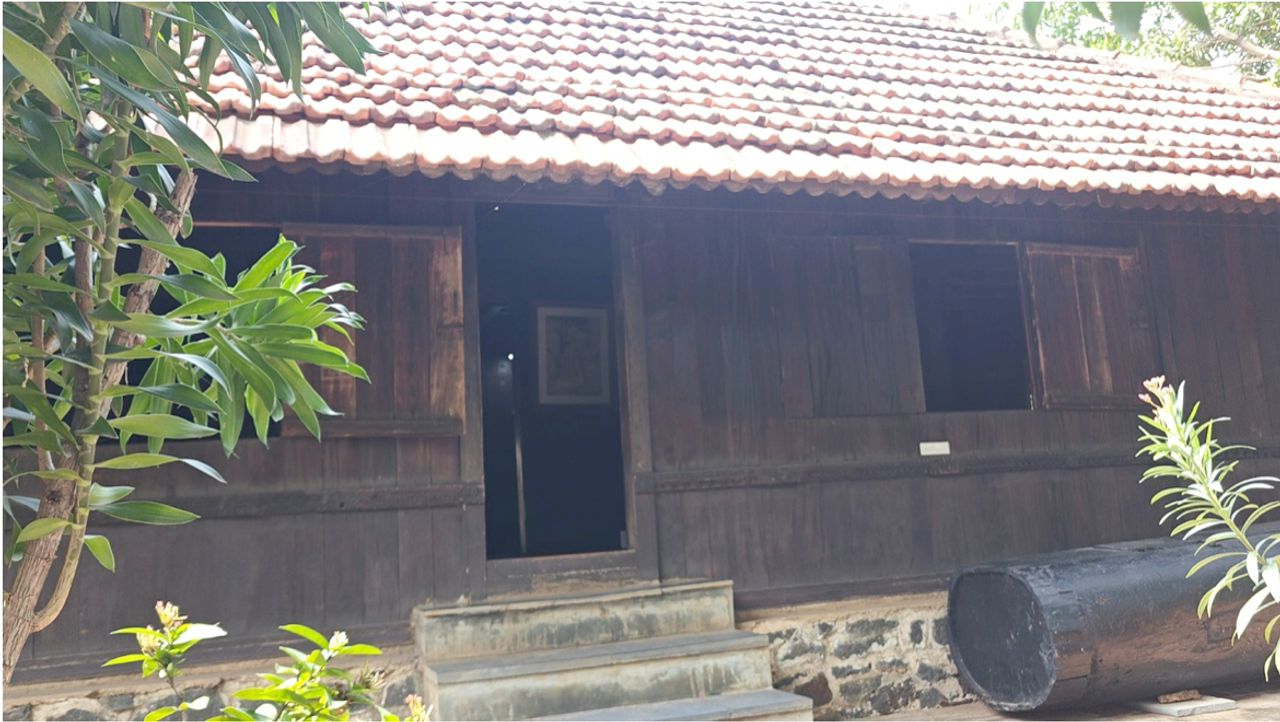
The museum has adopted an innovative approach to heritage conservation under which traditional houses from different parts of South India are carefully documented, dismantled and reconstructed at Dakshina Chitra.
When a family volunteers to hand over its traditional house for preservation, every aspect of the structure is meticulously documented before it is safely dismantled. Materials including flooring, bricks, wood, steel and other architectural elements are transported to the museum and reused to reconstruct the house in its original form.
Dozens of traditional houses have been reconstructed at the museum, with several of them dating back centuries.
These structures offer visitors a glimpse into the traditional lifestyle, architecture and social practices of earlier generations, including the use of clay pottery, traditional household articles and religious practices.
Curator of Dakshina Chitra Heritage Museum Lakuma Chebrolu, while interacting with a group of Kashmir-based journalists visiting the museum as part of a PIB Srinagar tour, said the initiative was not limited to preservation of heritage but was also creating livelihood opportunities for local communities, particularly women.
She said a significant portion of the museum’s workforce comprises women, who are engaged in various activities associated with the preservation and functioning of the heritage centre.
Dakshina Chitra has thus emerged as a distinctive model of heritage conservation, combining traditional architecture, cultural preservation, community participation and livelihood generation under one roof.