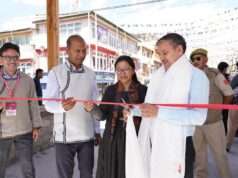
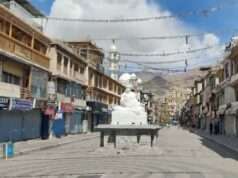
LEH, SEPT 26: The Ladakh Festival 2026 witnessed a grand Cultural Parade in Leh, bringing together artists, cultural groups and local communities in a vibrant celebration of the region’s rich traditions, heritage and diverse cultural identity.
The colourful procession commenced from the historic Karzu Zing and culminated at the historic Leh Polo Ground, turning the streets of Leh into a lively showcase of Ladakh’s distinctive cultural traditions.
The parade featured traditional music, folk dances, traditional mask dances (Cham) and diverse cultural representations from different parts of Ladakh.
Participants dressed in colourful traditional attire added vibrancy to the procession, while musical performances and traditional dances reflected the region’s centuries-old cultural practices.Administrative Secretary, Tourism & Culture, UT Ladakh, Sanjit Rodrigues, also participated in the Cultural Parade, joining artists and members of local communities in marking the festive occasion.
The event provided a common platform for cultural groups and local communities to present the unique traditions of Ladakh and offered residents and visitors an opportunity to experience the region’s artistic and cultural richness.
The traditional performances, colourful costumes, music and mask dances highlighted the diversity of Ladakh’s cultural landscape while reinforcing the importance of preserving and promoting its intangible cultural heritage.The parade formed an important highlight of Ladakh Festival 2026, reflecting the administration’s focus on showcasing Ladakh’s cultural wealth and providing greater visibility to its traditional art forms and community practices.
The celebrations also created an atmosphere of cultural exchange and participation, bringing together people from different communities and backgrounds in the heart of Leh.
The culmination of the procession at Leh Polo Ground marked a vibrant conclusion to the cultural showcase, with the venue witnessing performances and participation that reflected the festive spirit and enduring cultural identity of Ladakh.