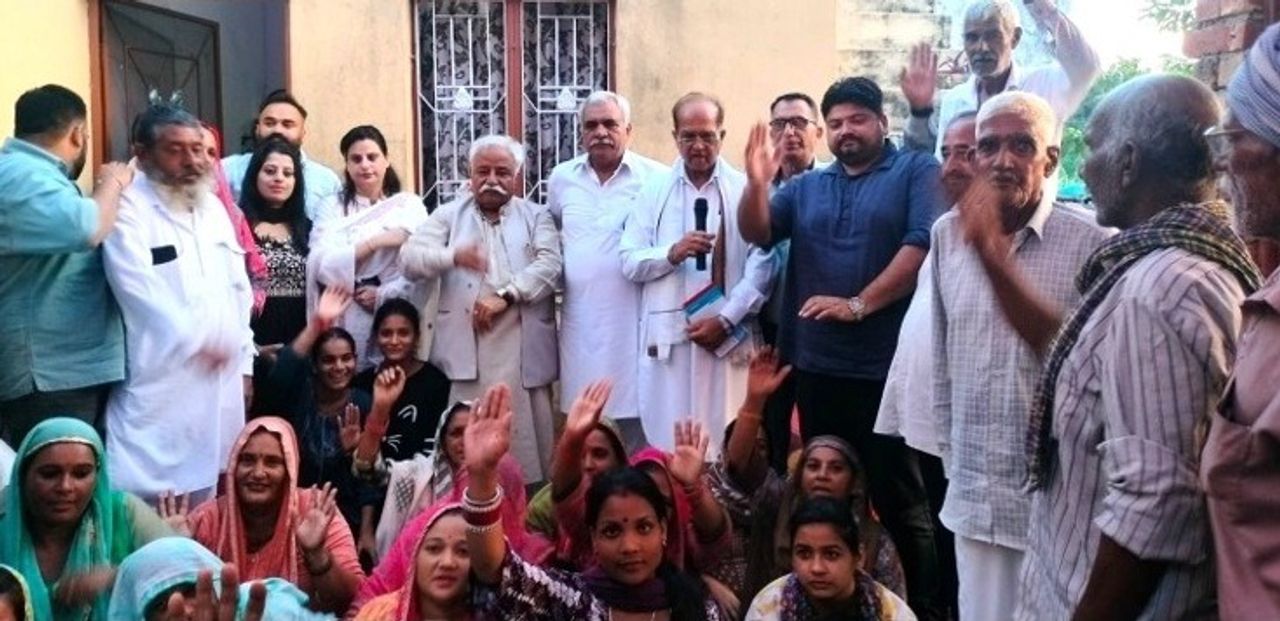

National Conference additional general secretary and former minister Ajay Kumar Sadhotra on Wednesday called upon party women leaders and workers to reach the doorsteps of poor and needy women and make them aware of the welfare schemes and initiatives being implemented by Omar Abdullah government for their empowerment and welfare.
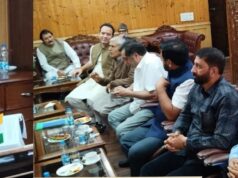
Addressing a meeting of women workers at Domana In Jammu North assembly constituency, which was organised by Ayesha Gupta in-charge women wing Jammu North assembly constituency and Rani Kumari Bhagat, Sadhotra said that the success of any welfare programme depended upon its reach to the last beneficiary.
He urged the party cadre to establish direct contact with women in economically weaker sections, particularly those living in rural and remote areas, and guide them about various government schemes designed to improve their socio-economic conditions.
He said women often faced difficulties in accessing government benefits due to lack of awareness, financial constraints and procedural hurdles. The women leaders of the National Conference, he added, had a special responsibility to bridge this gap by helping eligible beneficiaries understand and avail themselves of the schemes available to them.
“Our responsibility is to remain connected with the people and ensure that government initiatives reach those who need them the most,” Sadhotra said.
He emphasised that women empowerment was essential for the harmonious and sustainable growth of society. The former minister asked women workers to familiarise themselves with the welfare, employment, education, health and social security initiatives of Omar Abdullah government so that they could effectively assist deserving women at the grassroots level.
He said women empowerment should not be limited to political representation alone but must include access to education, healthcare, livelihood opportunities, financial independence and participation in decision-making. Calling for a more proactive grassroots approach, Sadhotra asked the women leaders to regularly visit their respective areas, interact with local communities and identify the genuine problems being faced by women.